
A big, pointy thing which goes up high right in front of you and is hard to get round. Sometimes has snow.
This is how someone described a mountain in one of those word games at Christmas. Bearing in mind there was wine and a time limit, I thought it was quite good really.
I saw a lot of mountains last year. We were lucky enough to spend most of September in Canada. It was planned, in painstaking detail, for the autumn of 2020 so…had to be re-planned. The main incentive for the trip was family. I have a lovely aunt and uncle and three wonderful girl women-cousins out there. To be fair, last time we had any significant contact, we were girls. Now we have adult children of our own and some of us, grandchildren. You can imagine how sweet the reunion was. Coincidentally, my husband has a cousin there too.
So the trip was planned around the Cousin Cities – Prince George, Edmonton, Toronto and Ottawa. But it would have been rude not to visit other places too – Vancouver, Niagara and of course, the Rockies.

When you go to the Rockies, you wonder at your definition of the word mountain. It’s as if they yawn in the face of your other mountain experiences – Snowdon or Ben Nevis – and shrug. Really? Call ’em mountains? Get real.
The Canadian Rockies are a segment of the 3000 mile Rocky Mountains in Western North America, stretching from British Columbia to New Mexico. The Canadian part is about 1000 miles long and includes some of the most impressive national parks in Canada, including Banff, Jasper, Kootenay and Yoho. The parks are on the UNESCO World Heritage List because of outstanding features: breathtaking glaciers, mighty waterfalls, snow covered mountains and stunning blue lakes.

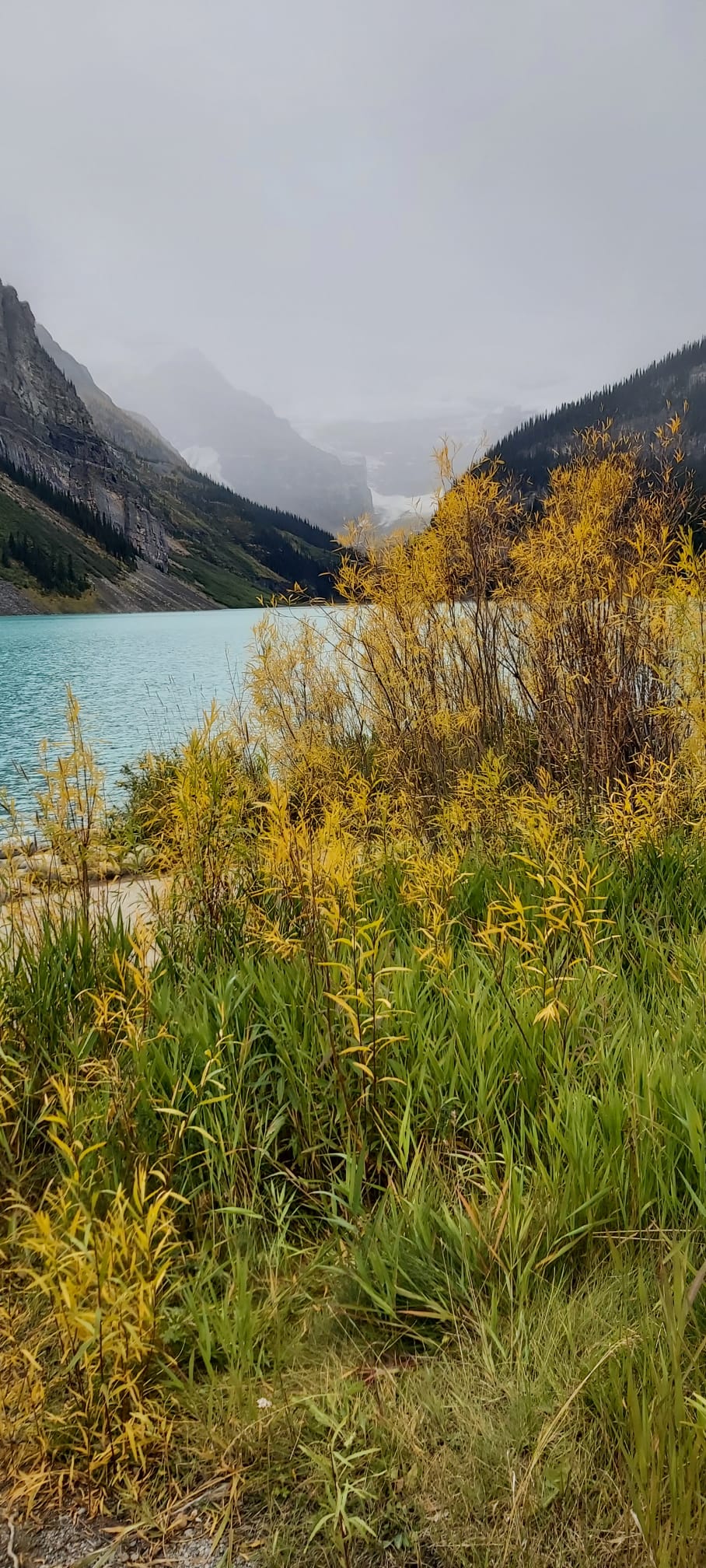
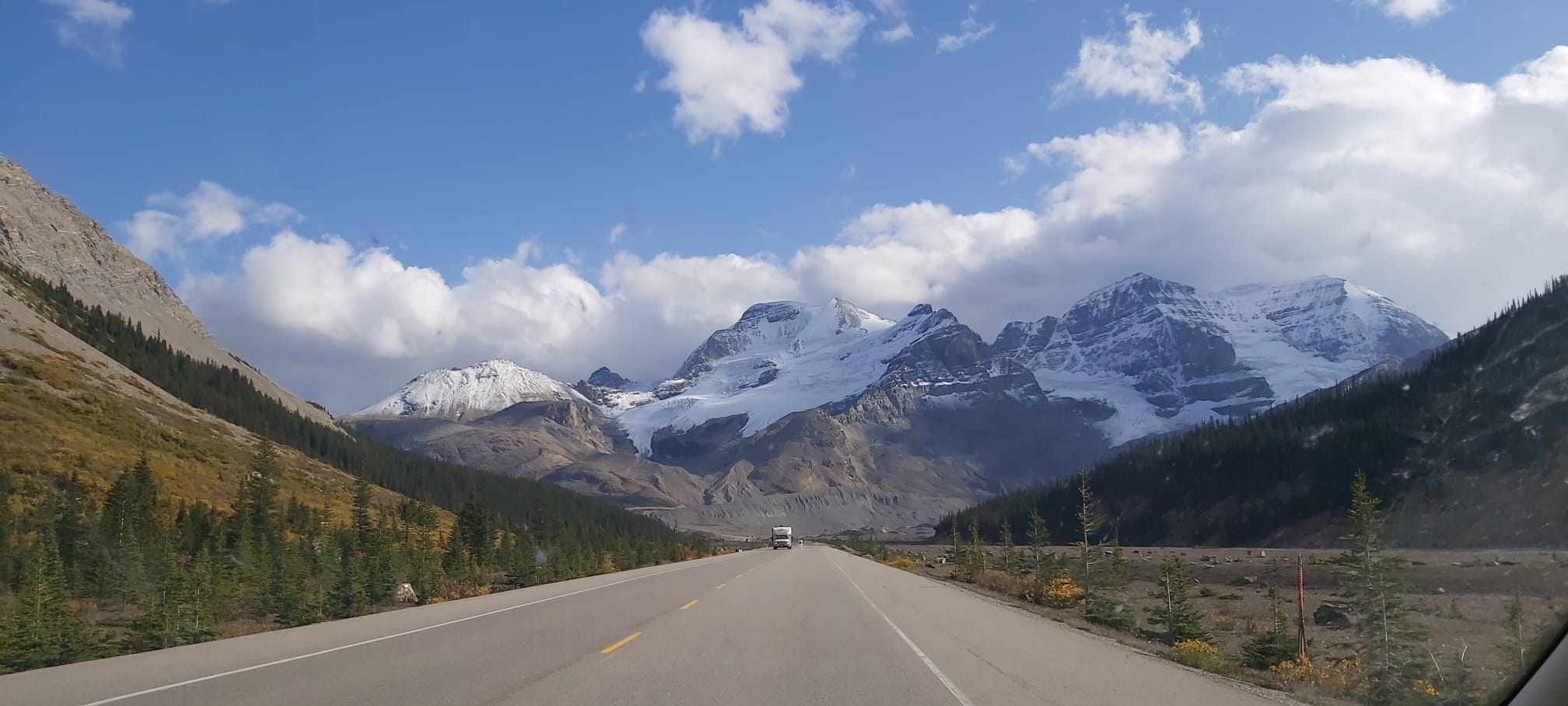
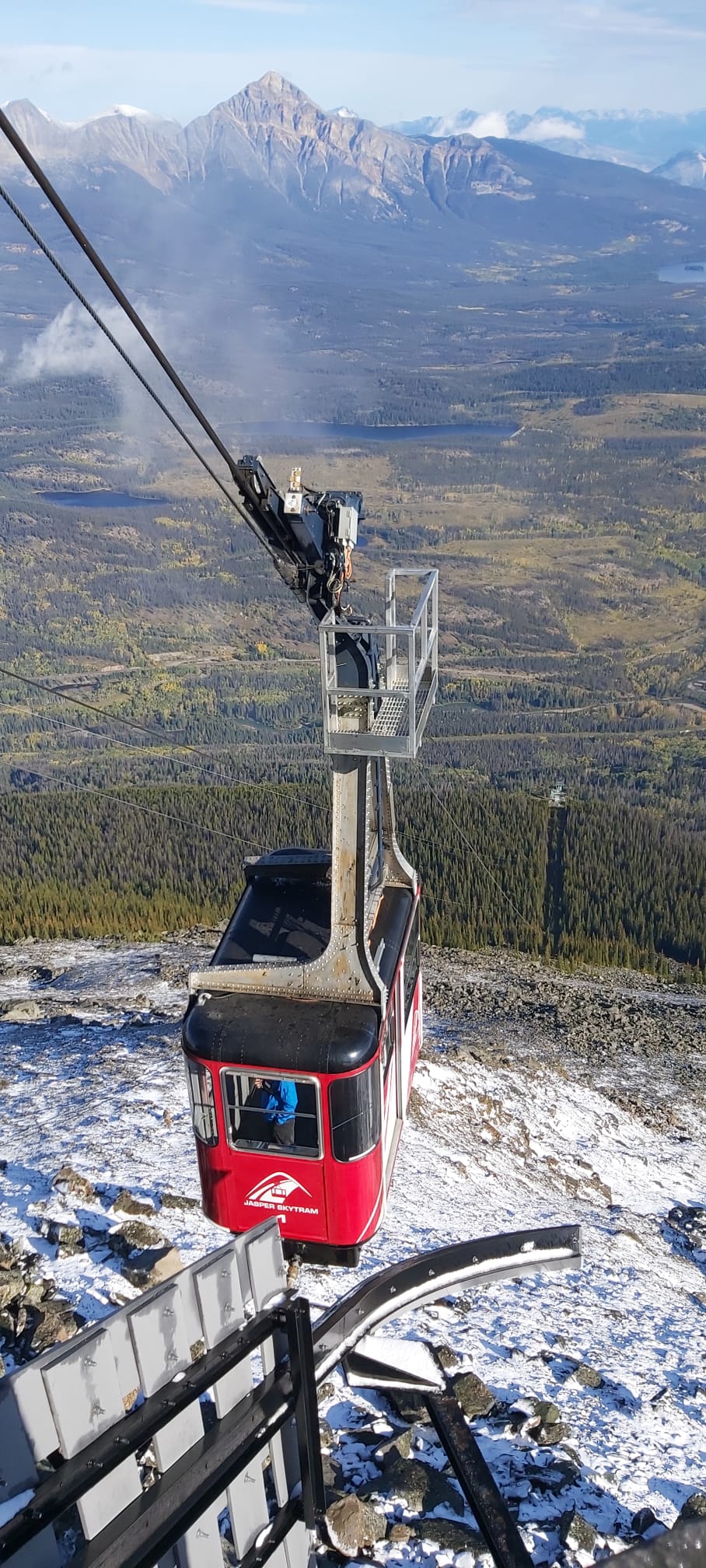
The Icefields Parkway is a 145 mile drive through Banff and Jasper National Parks. This incredible drive is rated one of the most stunning on the planet, between towering mountains, vast icefields and lake-filled valleys. The views simply go on an on and you find yourself snapping photos at every turn. When will you ever see views like this again?


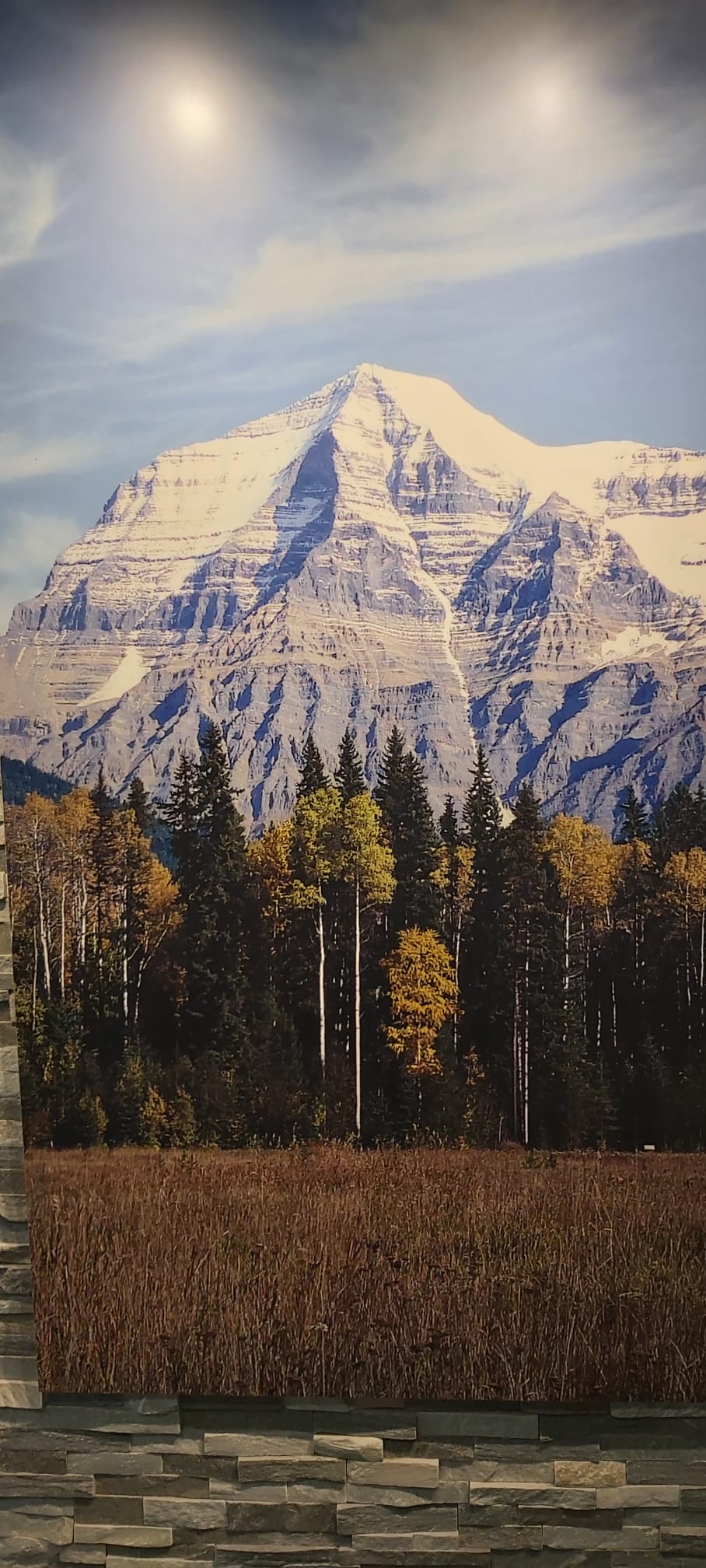
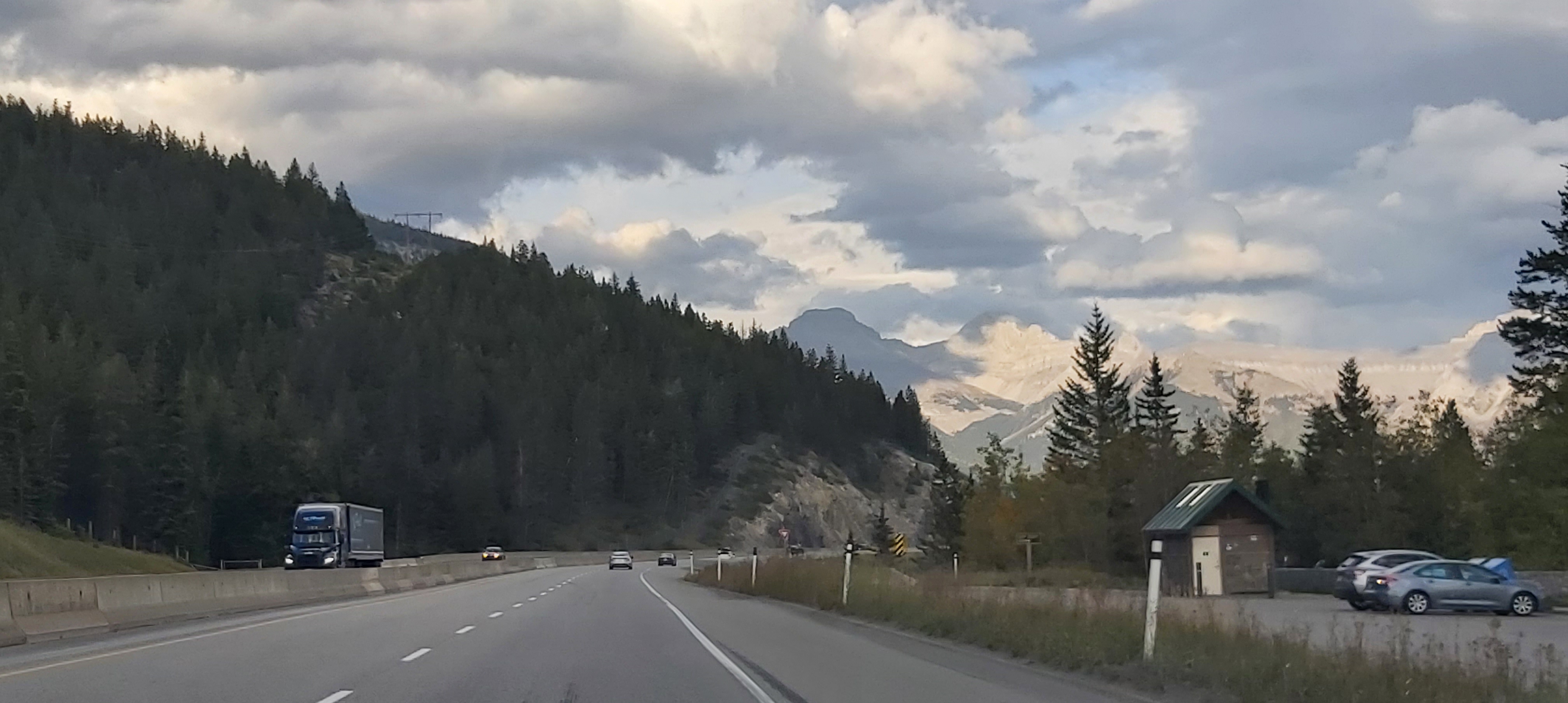
Up close, these mountains are forbidding, brooding. They seem to frown down at you with contempt for your astonishment, your hired car. But seen from a town, or in the distance from the road, they seem different. Tamed somehow, a backdrop, albeit a stunning one. Signs of human habitation render them less remote. The mountains despite their grandeur, their lofty indifference, did not win. Others have been here and prevailed.
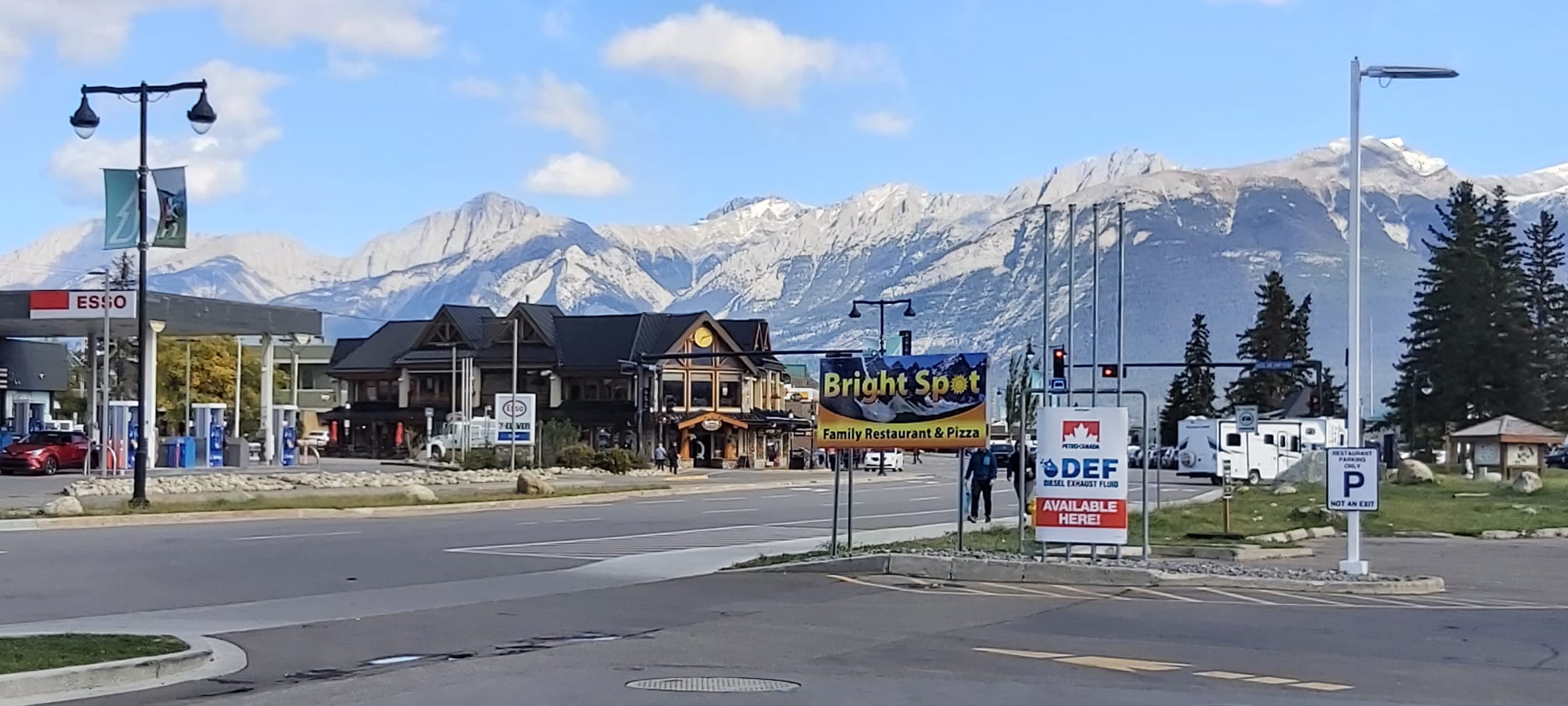
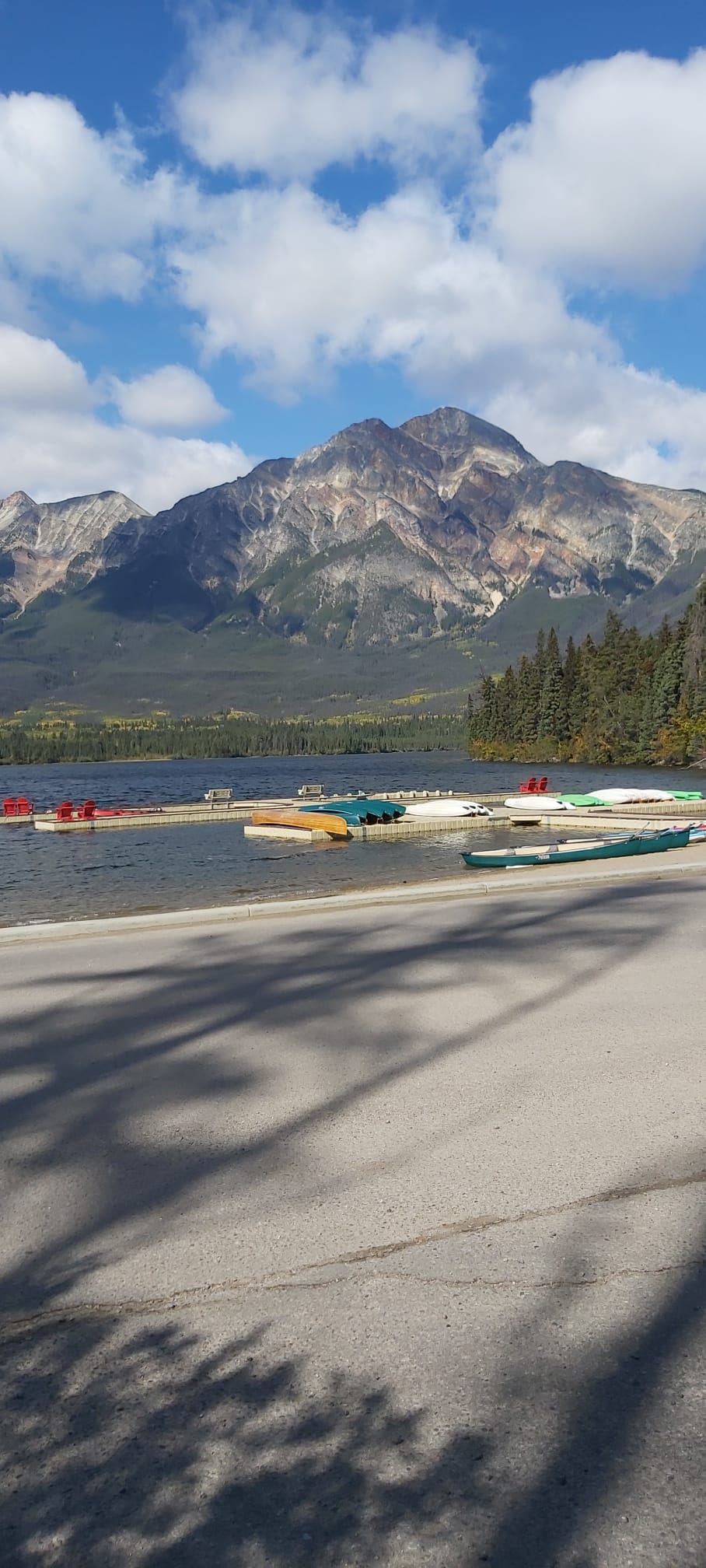
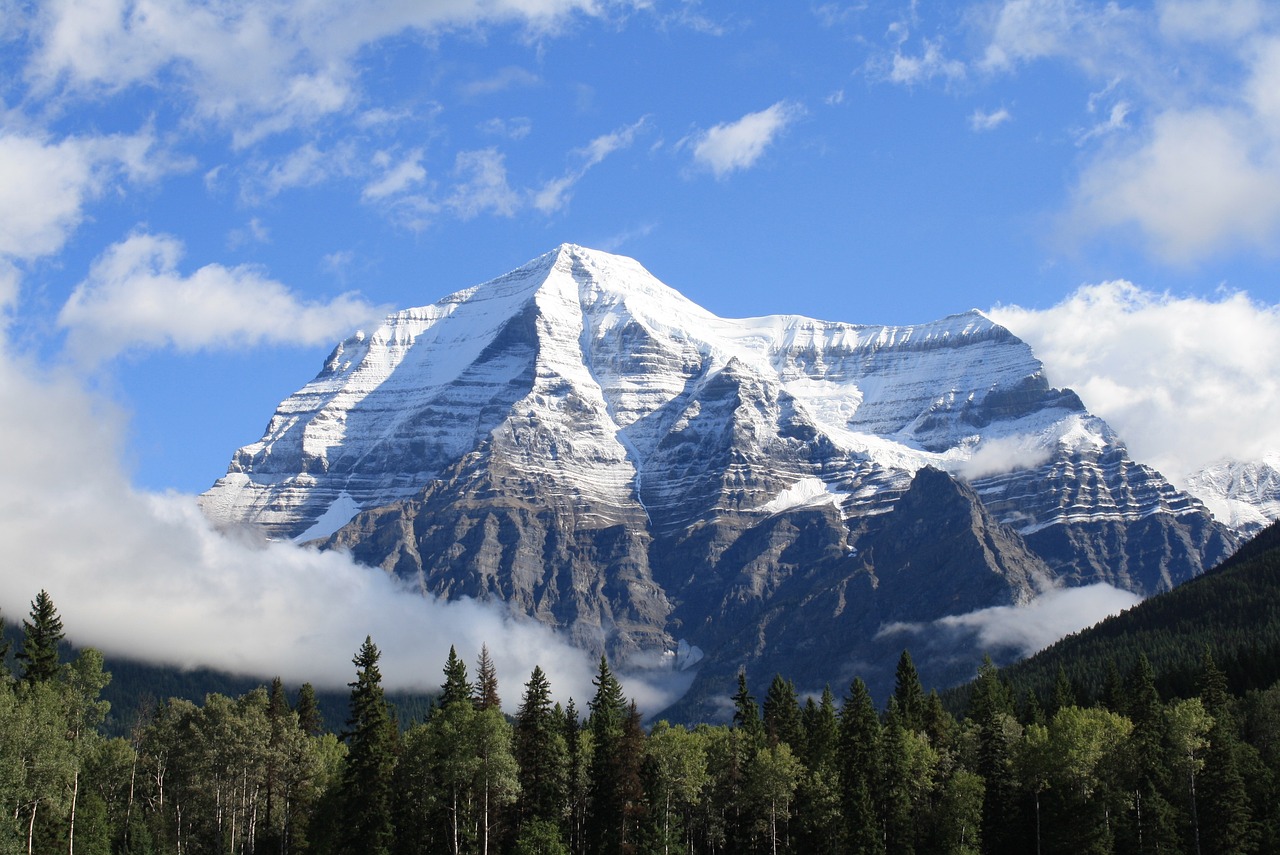
The highest mountain in the Canadian Rockies is Mount Robson, rising 12,989 feet above the valley floor. It was first climbed in 1913 by McCarthy and Foster accompanied by the famous Conrad Kain. Kain was an experienced Austrian mountain guide whose incredible skills enabled him to assist with more than 60 first ascents of Canadian mountains. He is said to have been a very sociable person, entertaining around the camp fire. and a good storyteller. Patient with novices, he was also ‘discreet in his treatment of over-zealous climbers disinclined to appreciate natural splendours.’
Even today Mount Robson has a high failure rate in attempts to climb to the top. Some of these have ended in death.
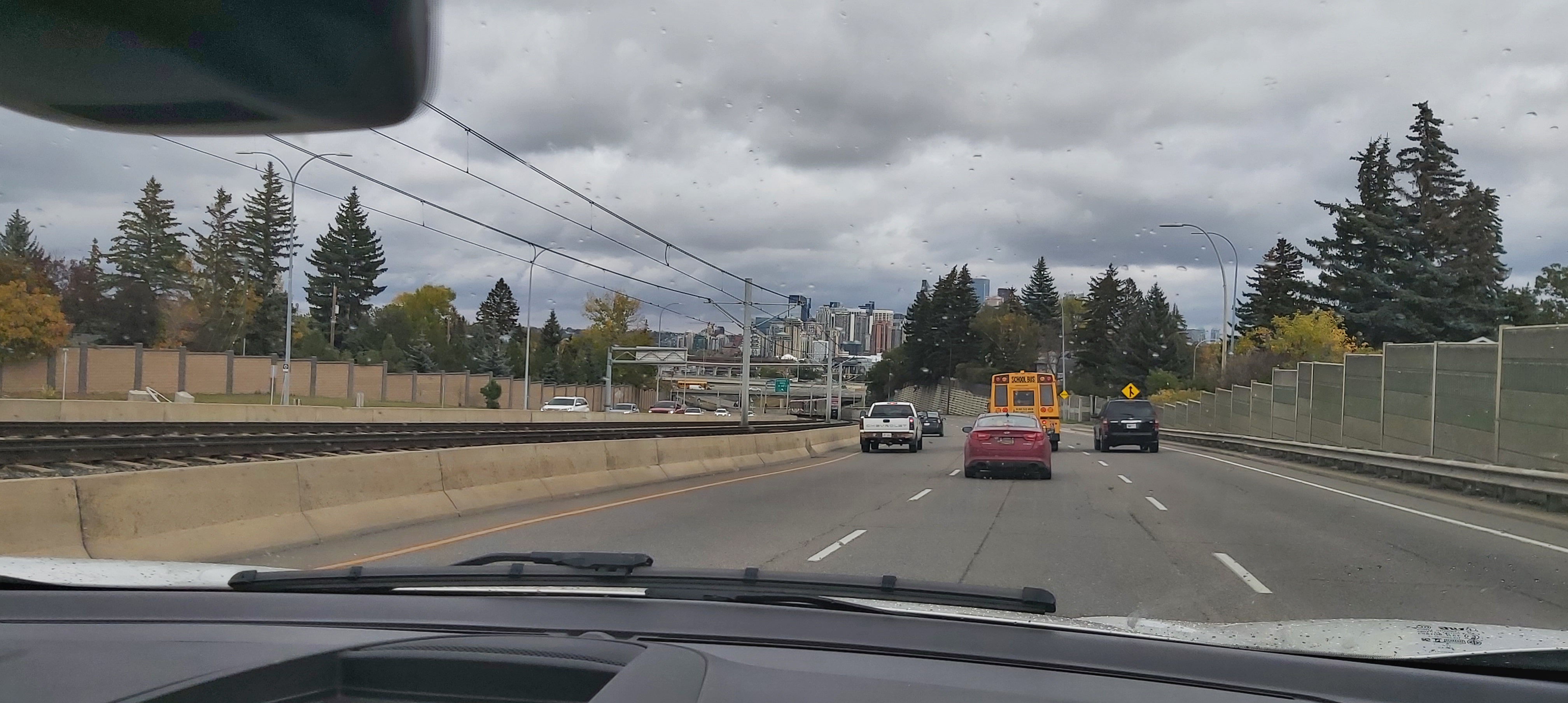
We drove the Icefields Parkway for hours and hours, open-mouthed, the road snaking between breathtaking views. Mountains reared up at every turn. Then just as suddenly they clumped to a halt. We sped across the flat plains of Alberta with astonished backward glances wondering how the indigenous peoples felt travelling the opposite way, on horseback; seeing mountains, and more mountains, and more…
Things I’ve learned from mountains
- They can be beautiful and terrible
- They seem bigger when you stare right at them
- They can give unexpected gifts (like this garden-elk in Jasper)

- Others have been here and prevailed
- They don’t go on forever
Good reminders for dealing with mountains in general methinks, good and bad, real and metaphorical.
*If you’re still feeling ‘New Year-ish’ you might enjoy my short story here about the power of nature and friendship to help us move on to new things.
 stillwonderinghere
I so enjoyed this! I have been to Canada twice and the second time was with a group of friends to go ski-ing. We were in Banff and I saw an elk walking down the street in the middle of the night (I was jet lagged, not sure about him) and marvelled at Lake Louise, named after Queen Victoria’s mysterious and rebellious artist daughter. I loved your thoughts about the mountains – so frightening up close, but when in the background with some perspective, not so much. Brilliant as always!
LikeLiked by 1 person
Thank you so much for reading and commenting. You will understand what an impact the Rockies have the first time you see them!
LikeLike
I love the way the mountains seem to have personalities here – you describe them all as quite intentional in their relationships with humans. And perhaps they are!
LikeLike
I suppose I did didn’t I? They were a definite presence, perhaps because there were so many of them. Thanks for reading and commenting.
LikeLiked by 1 person